3D Printing Training
From first steps to professional application
We offer practical and modern 3D printing training programs tailored for:
Training is structured into three levels – from beginners to professionals, with a strong focus on hands-on practice and real results.
Why 3D Printing?
3D printing develops:
creativity and spatial thinking
engineering and logical thinking
problem-solving skills
digital and STEM competencies
For companies, it means:
Training Levels
Level 1 – Beginner (Fundamentals)
Goal: Learn the basic principles of 3D printing and independently produce first prints.
Topics covered:
What is 3D printing and where it is used
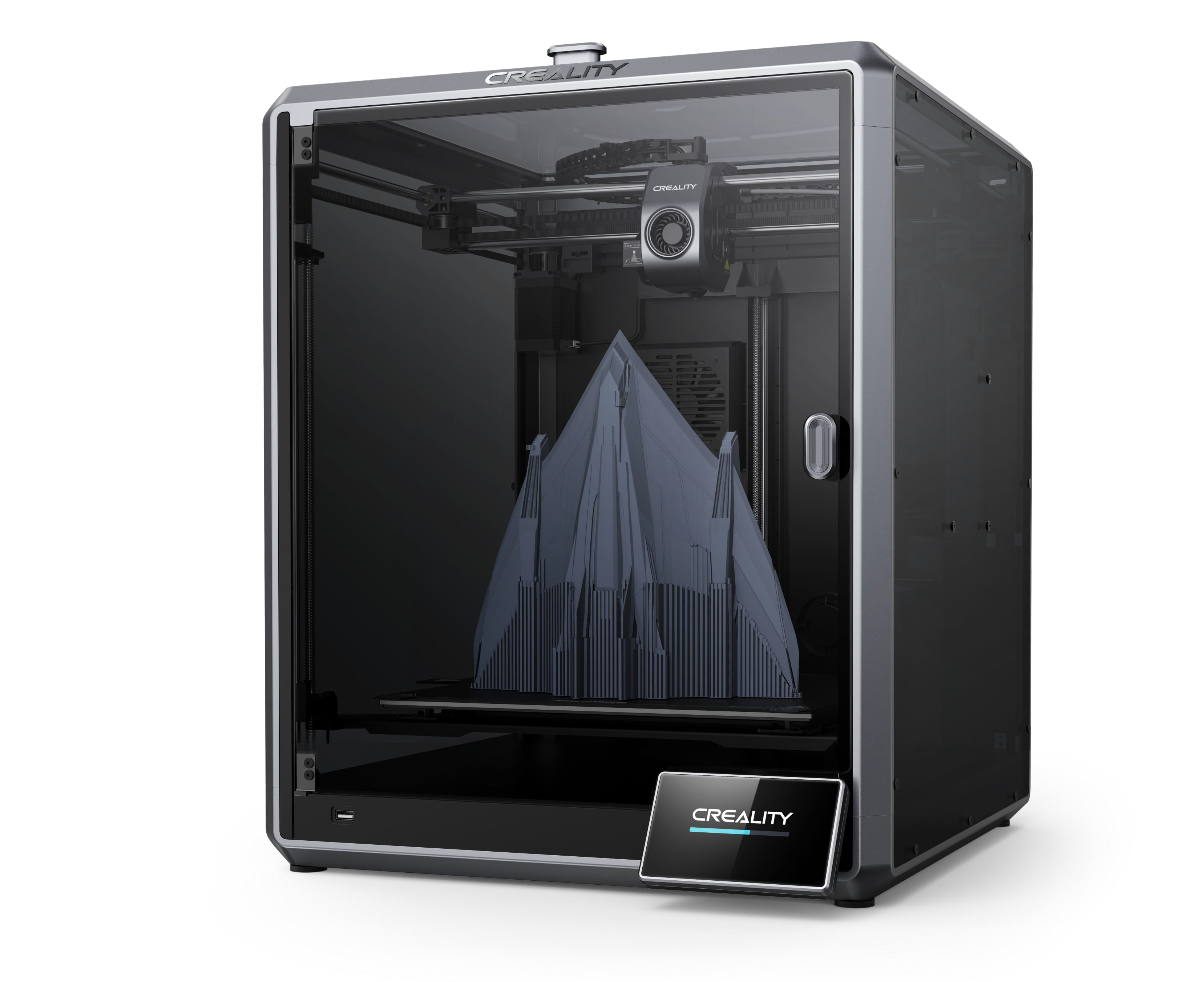
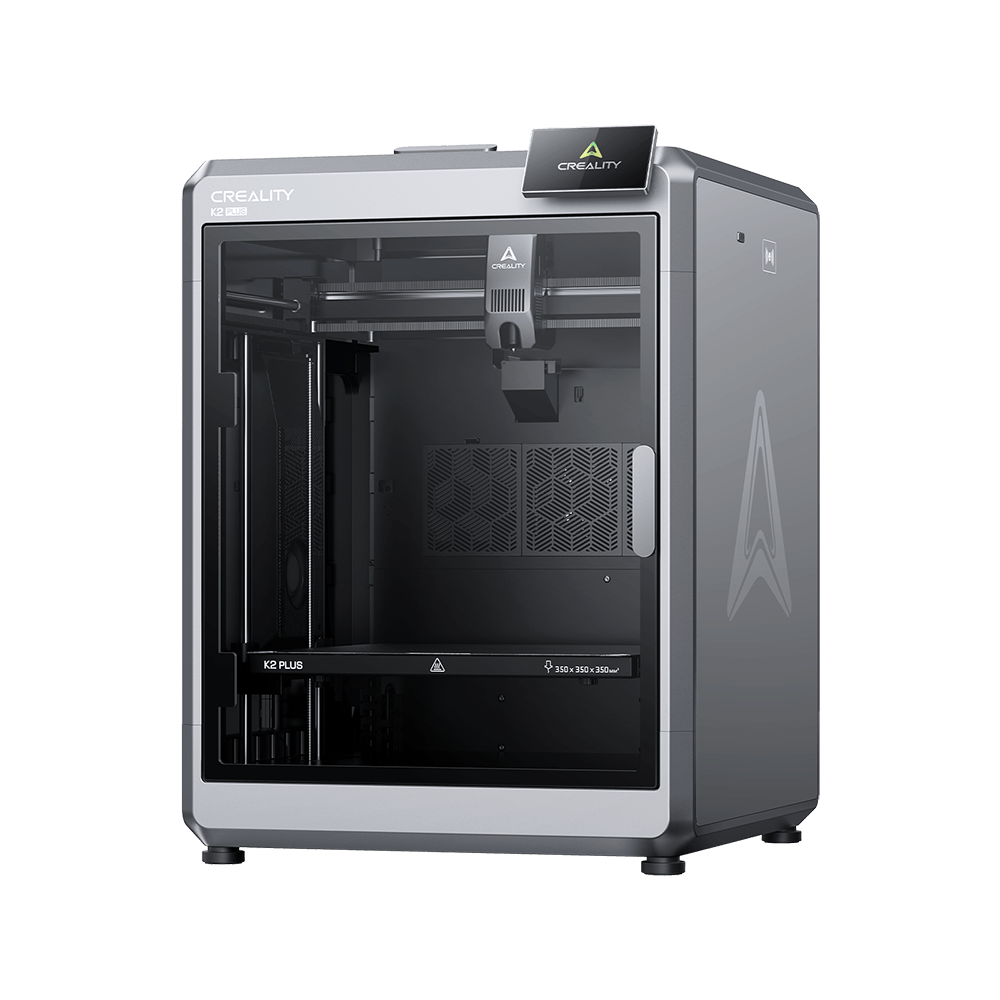
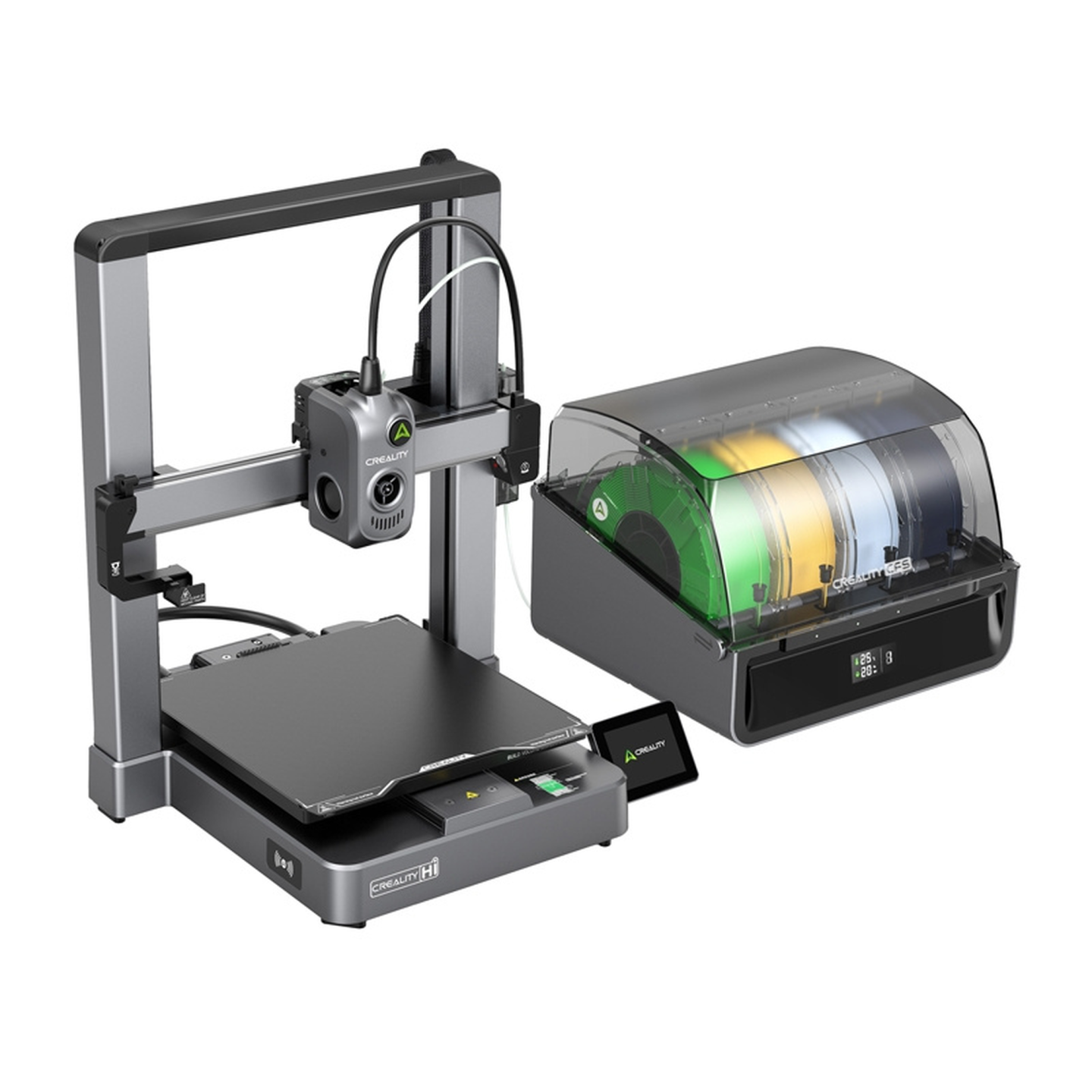
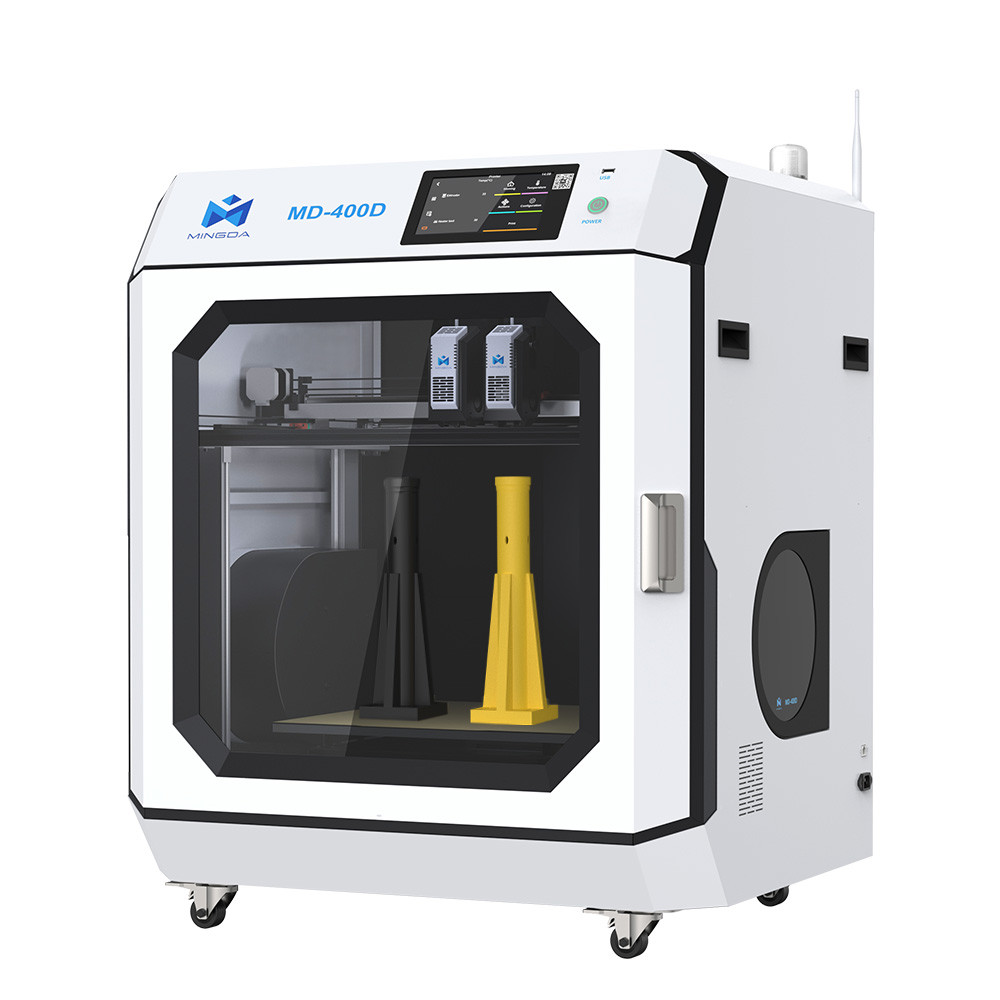
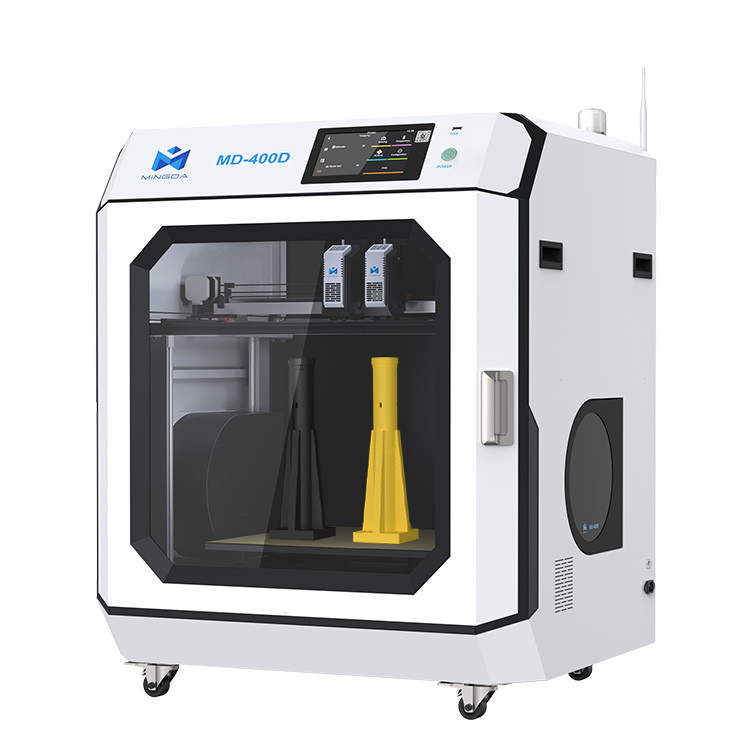
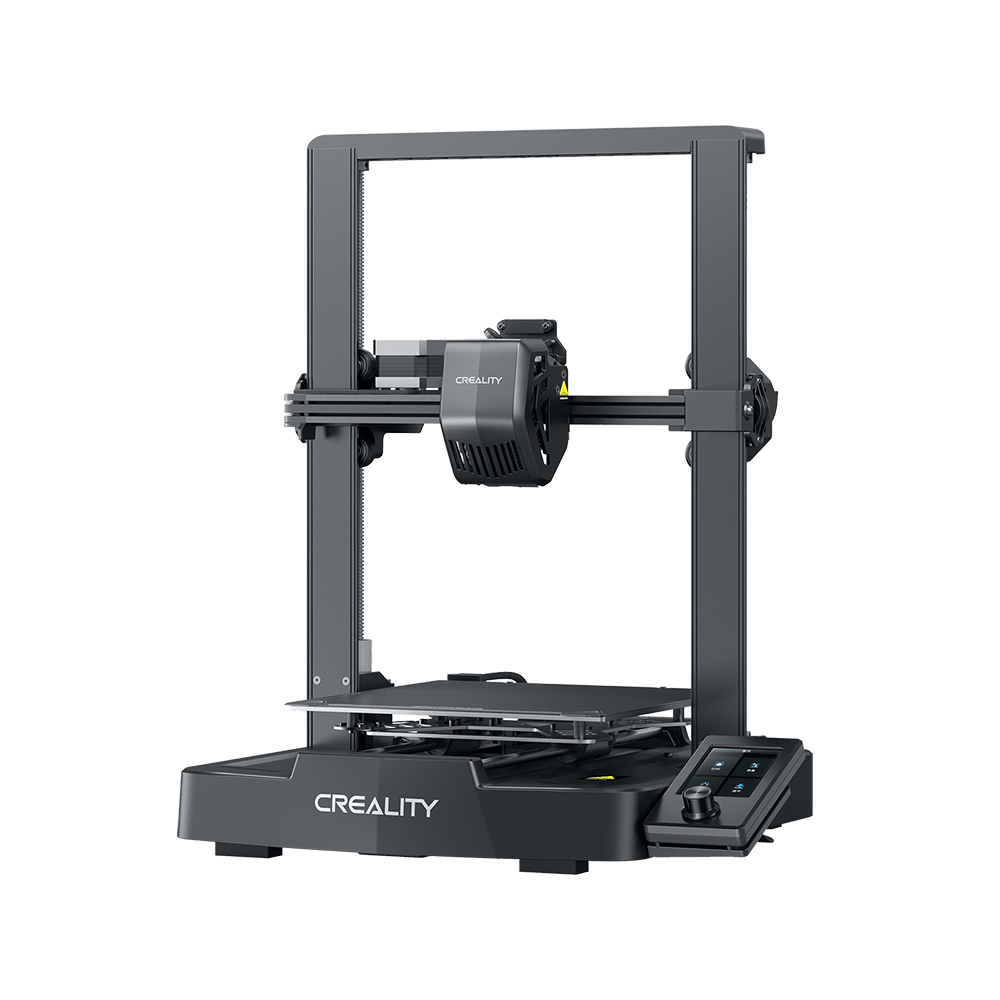
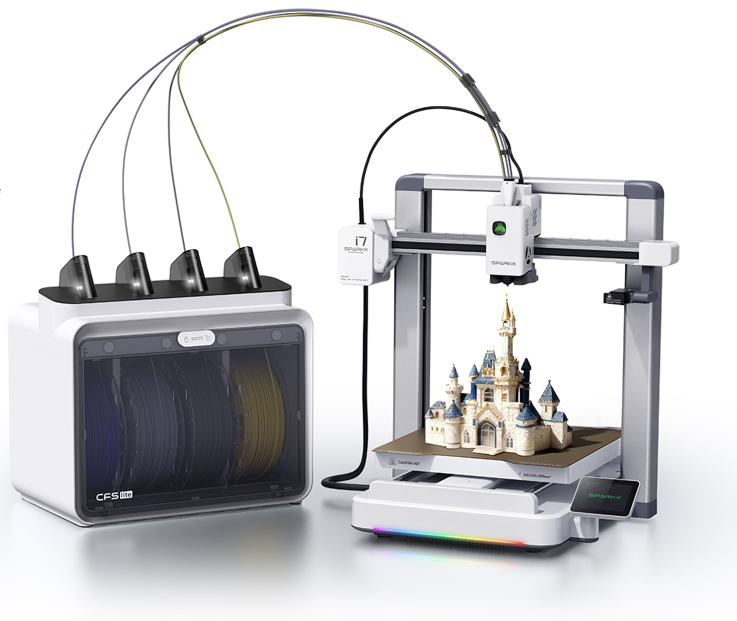
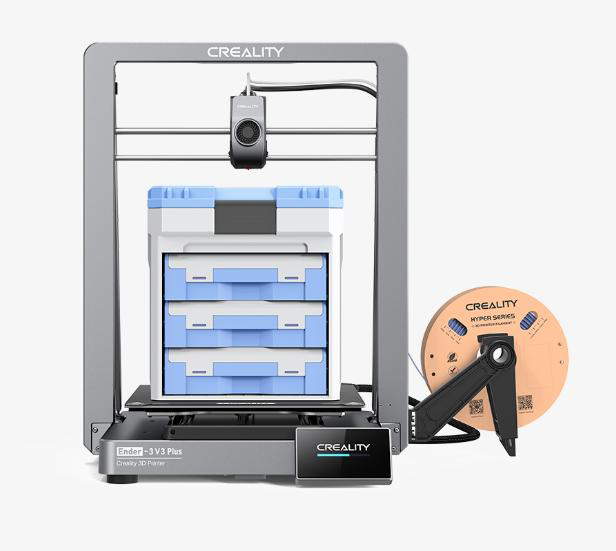
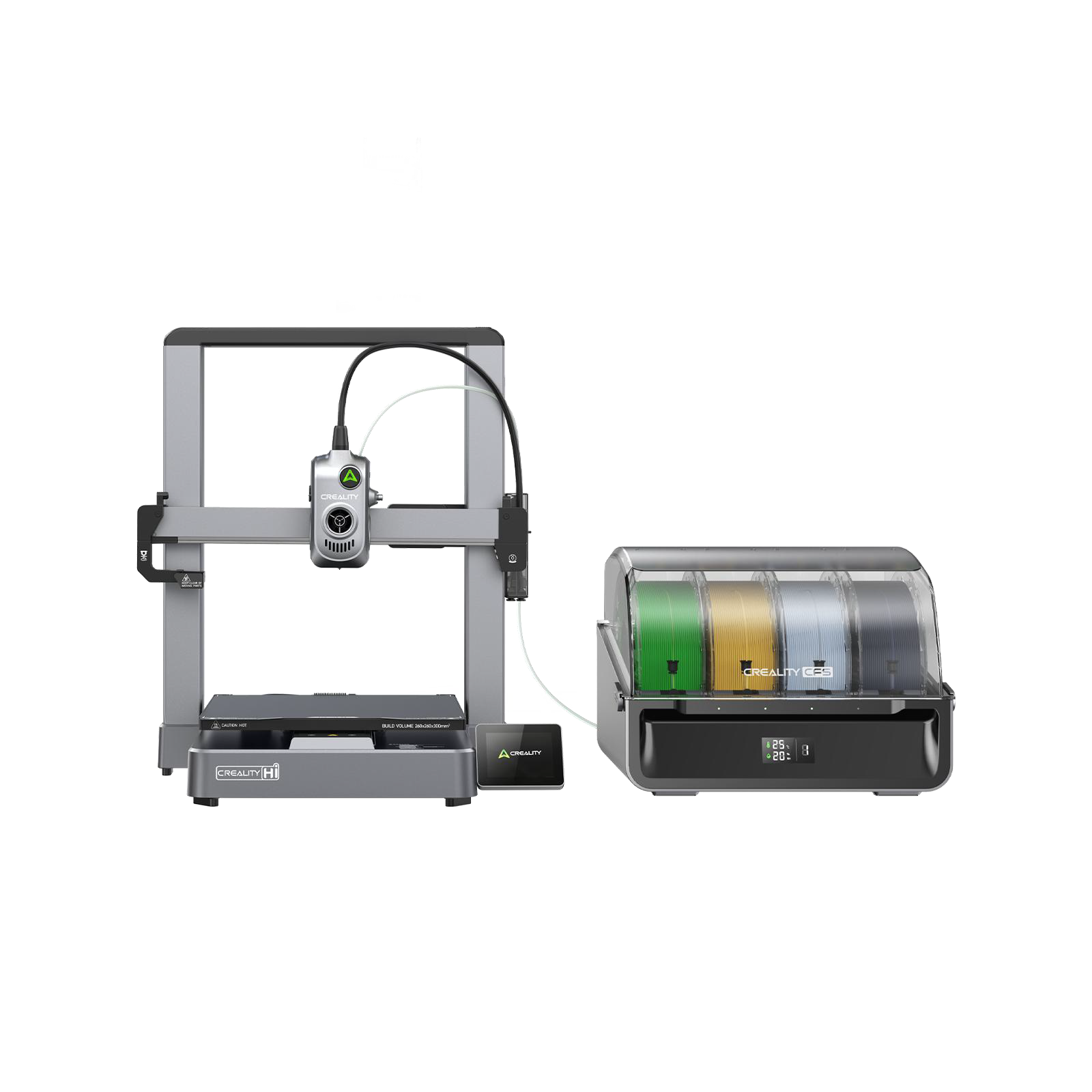
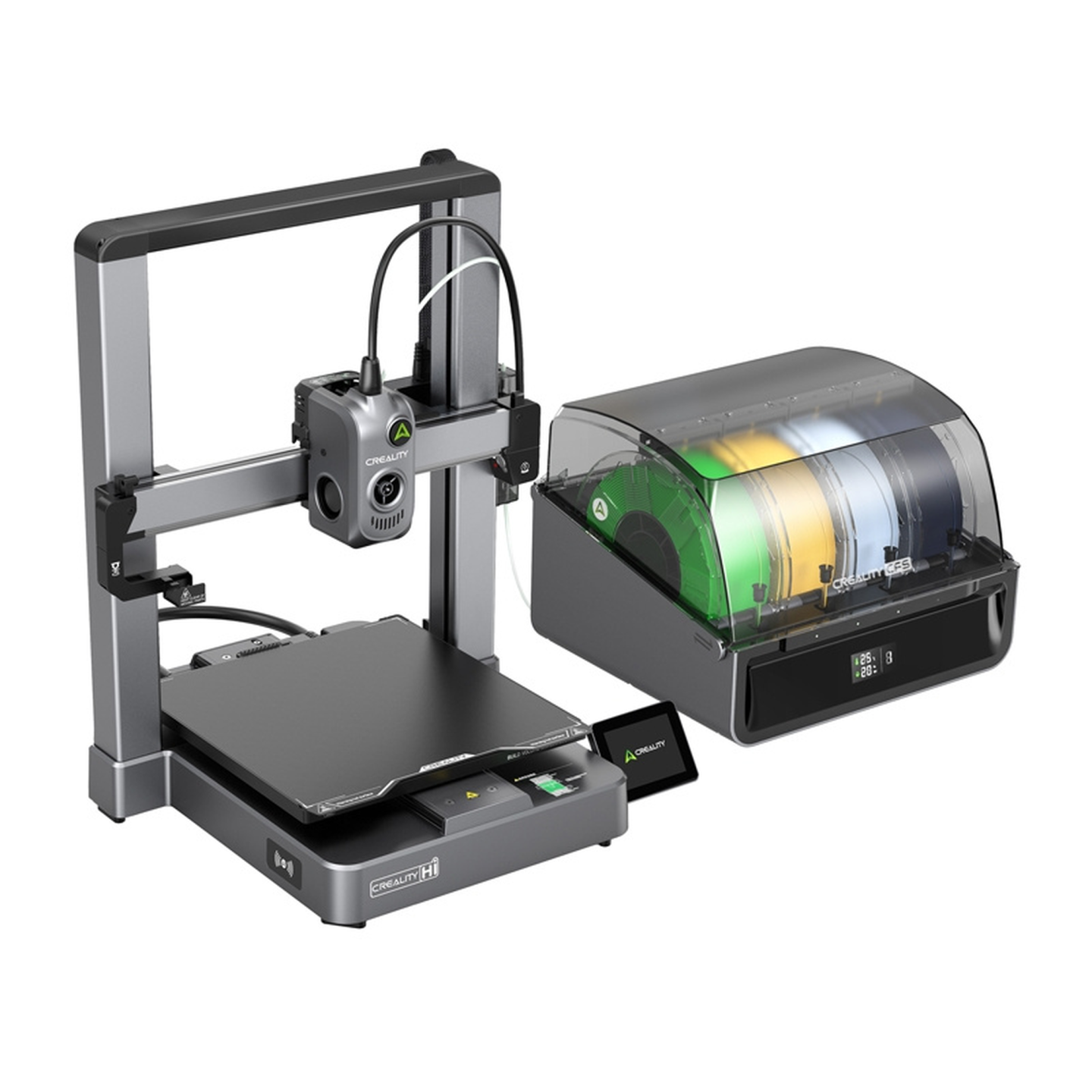
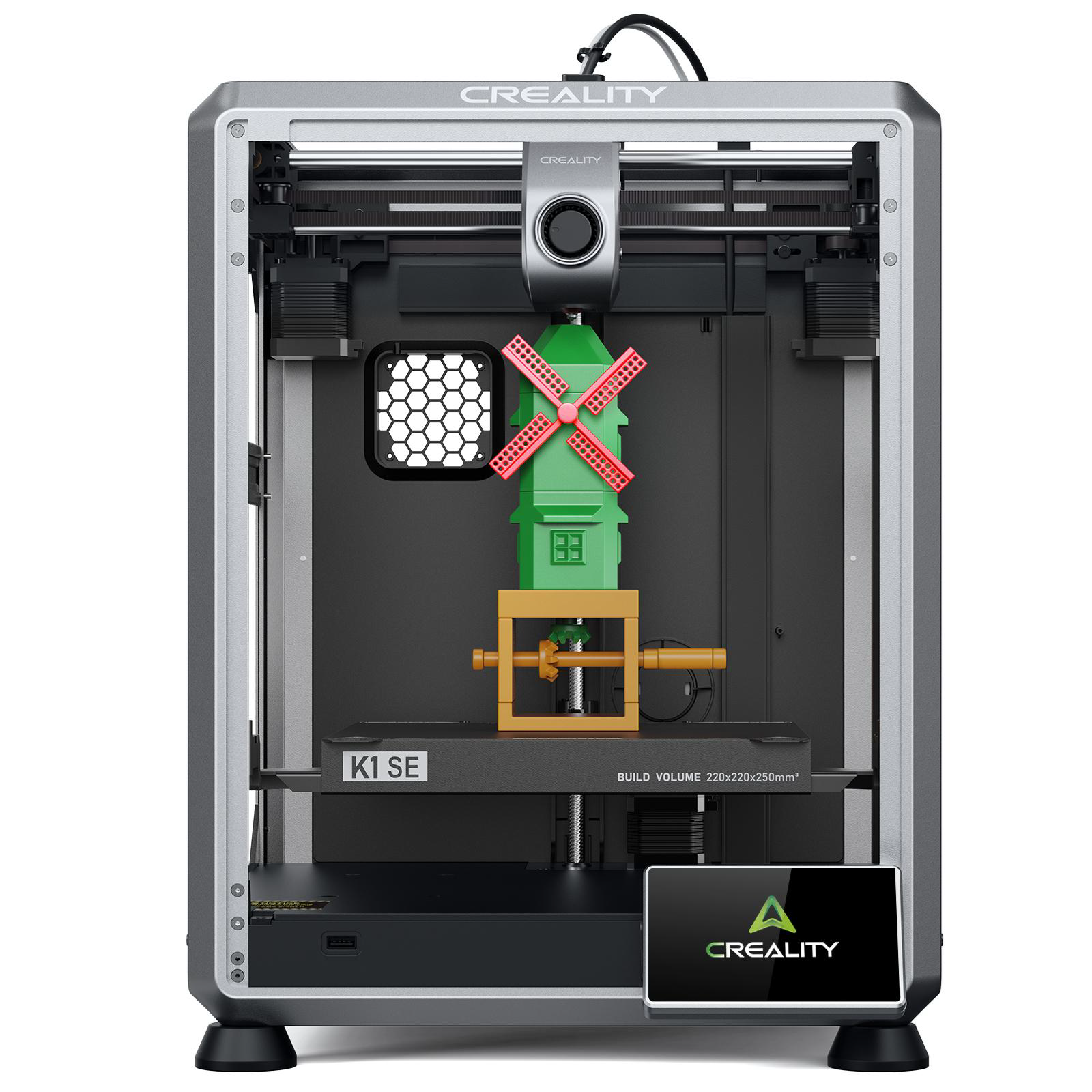
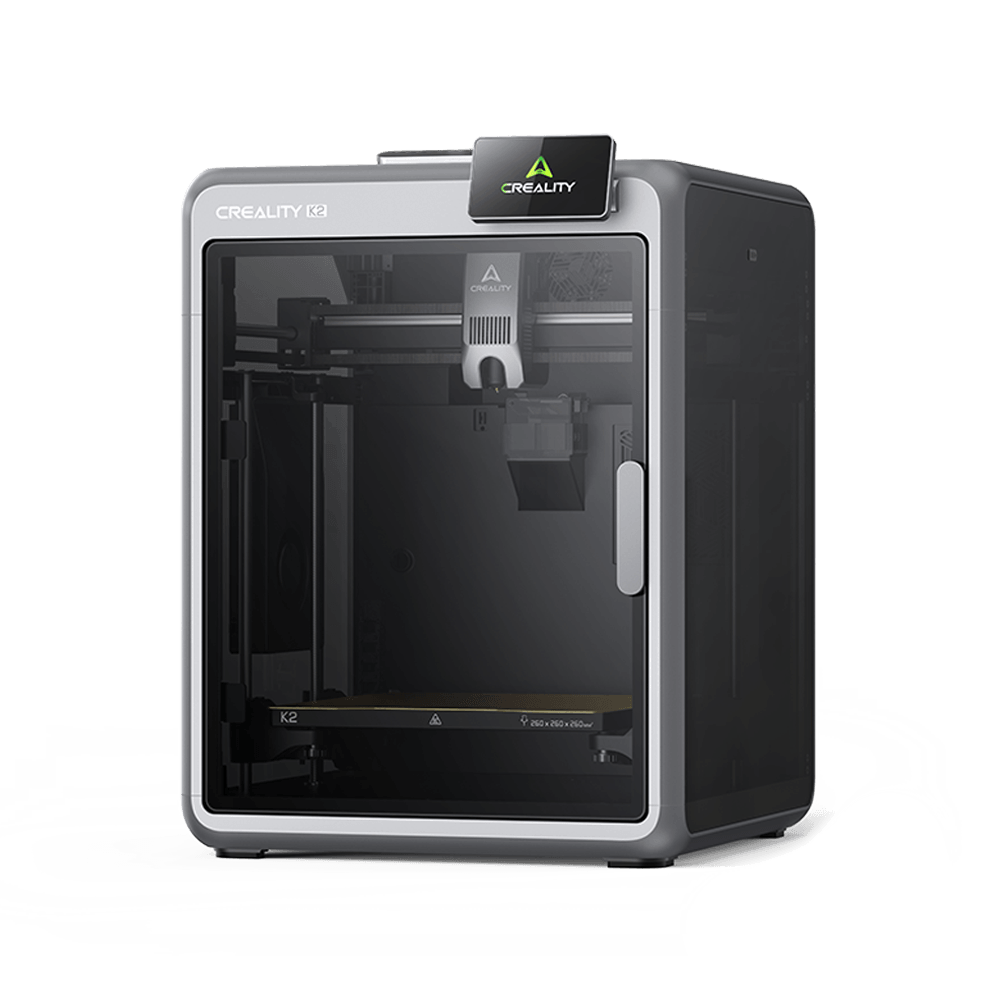
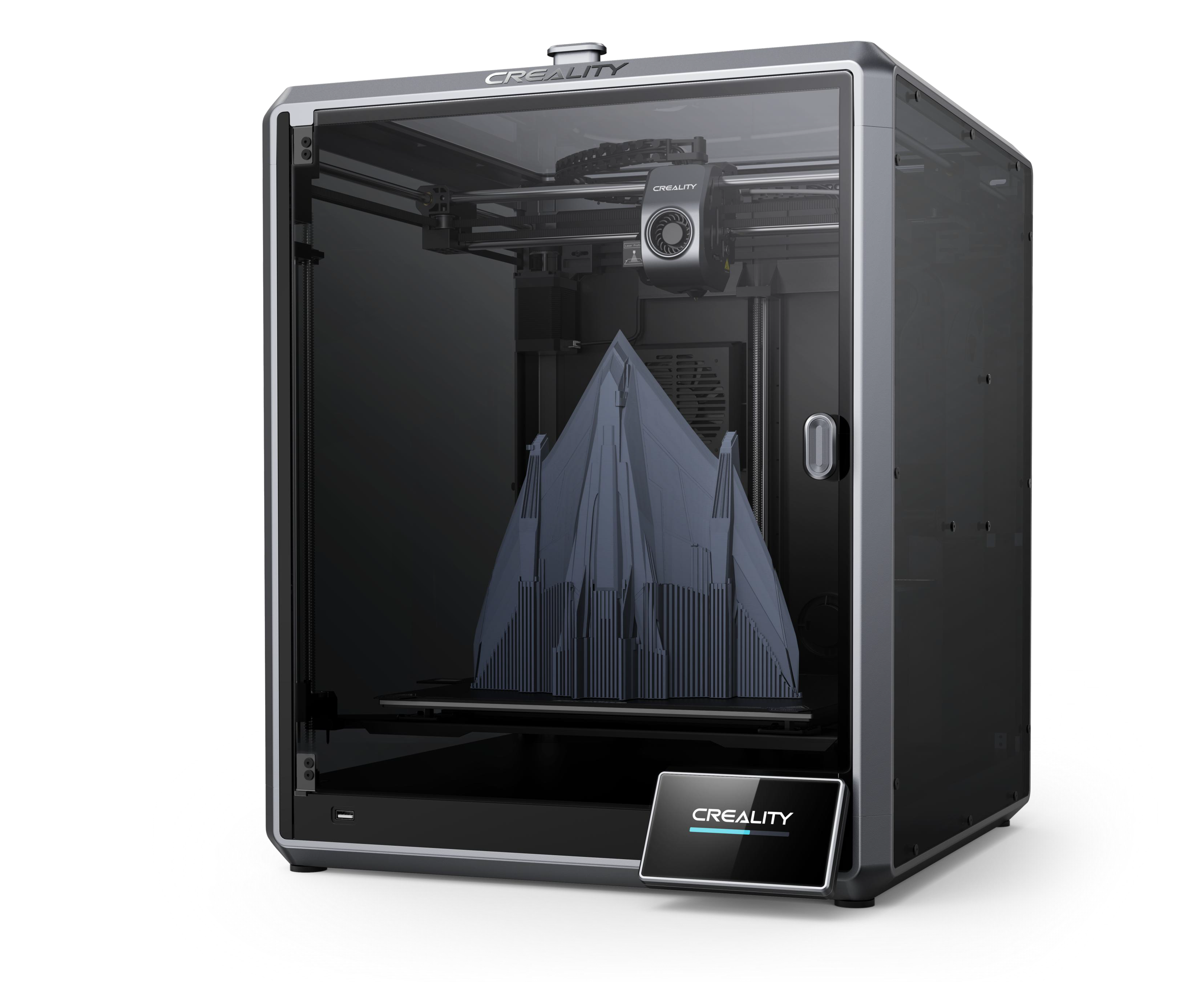
3D printer structure and safety
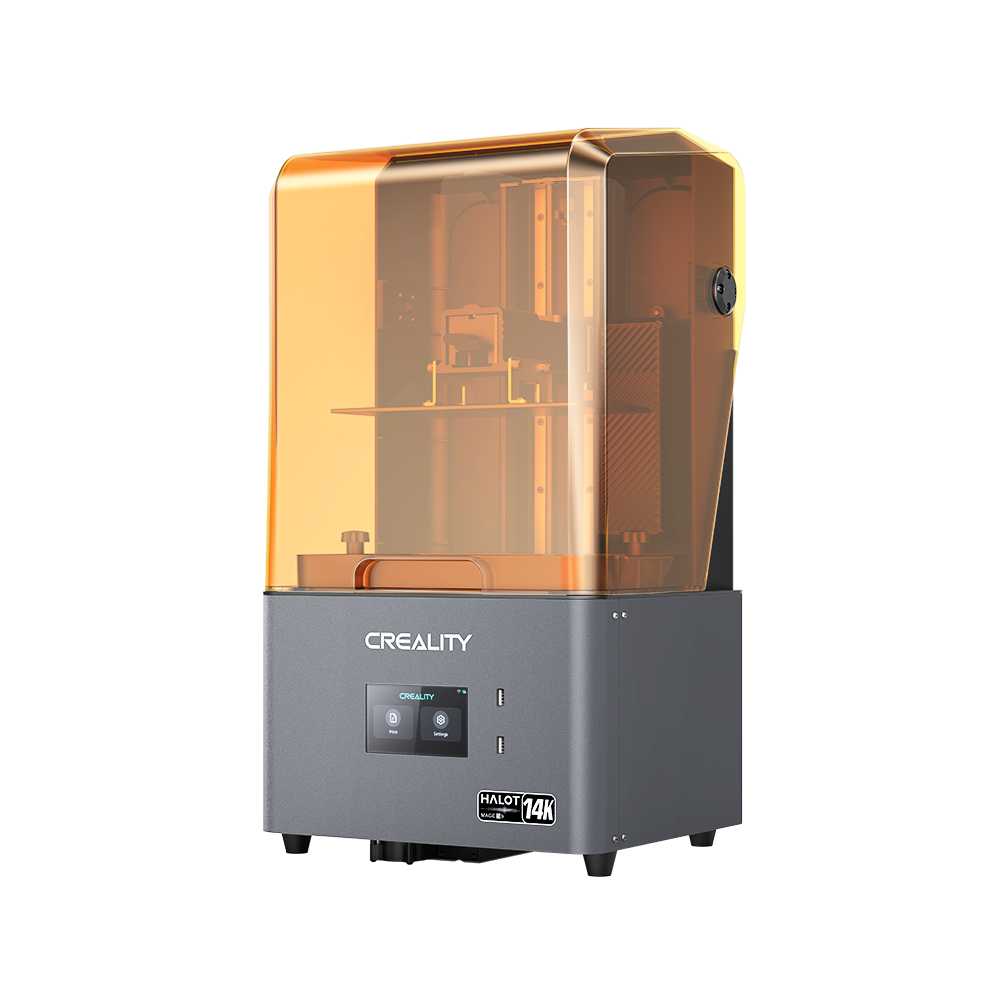
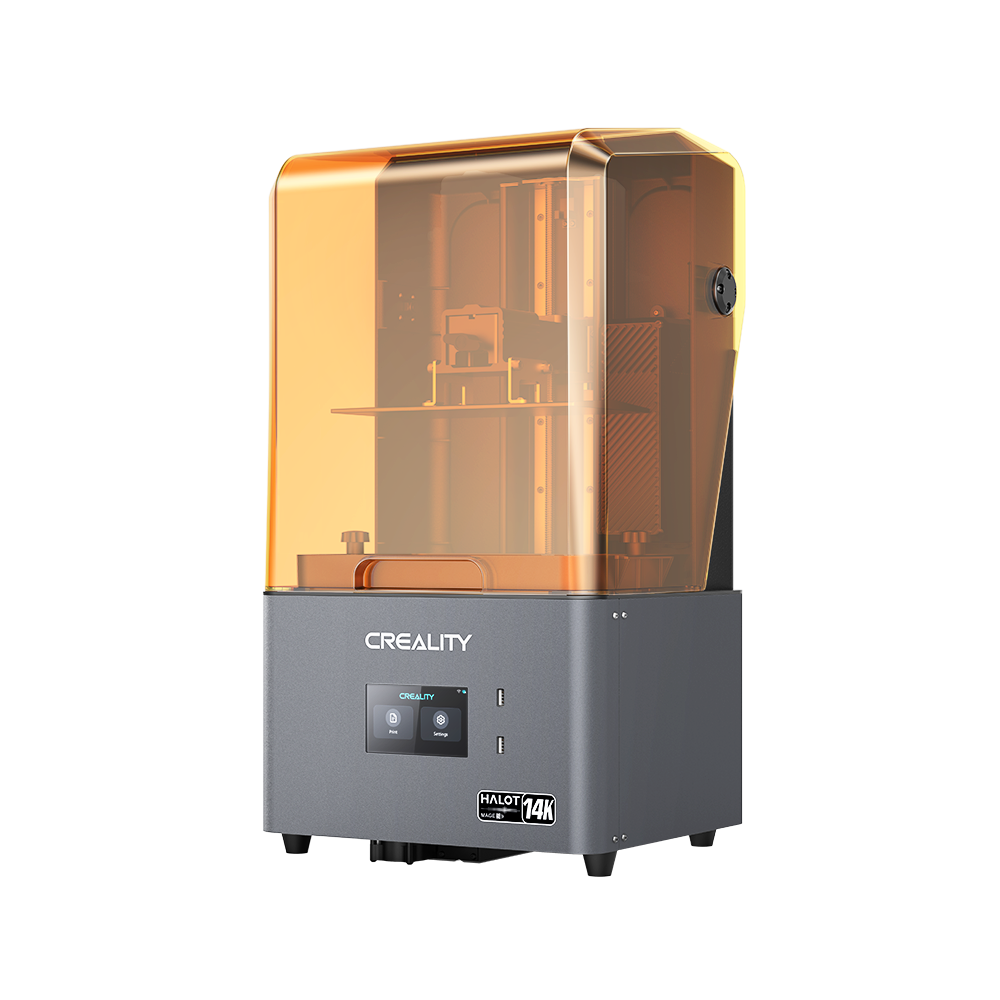
Overview of printing technologies (FDM, SLA, SLS)
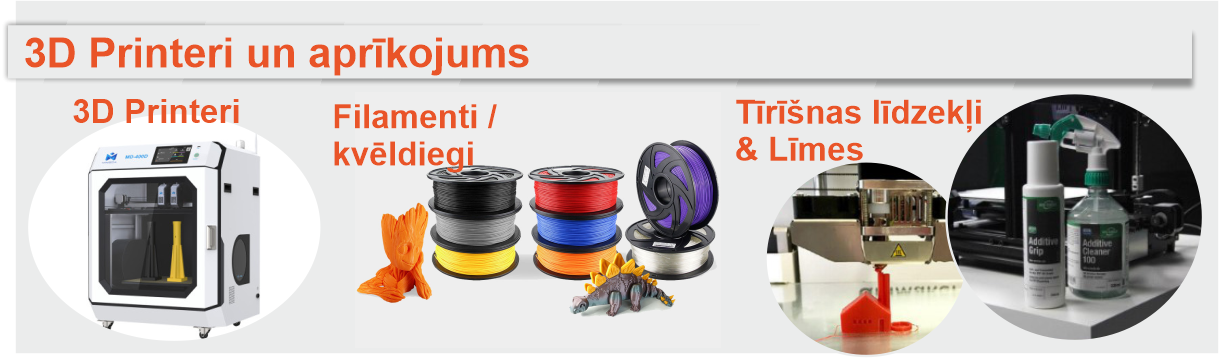
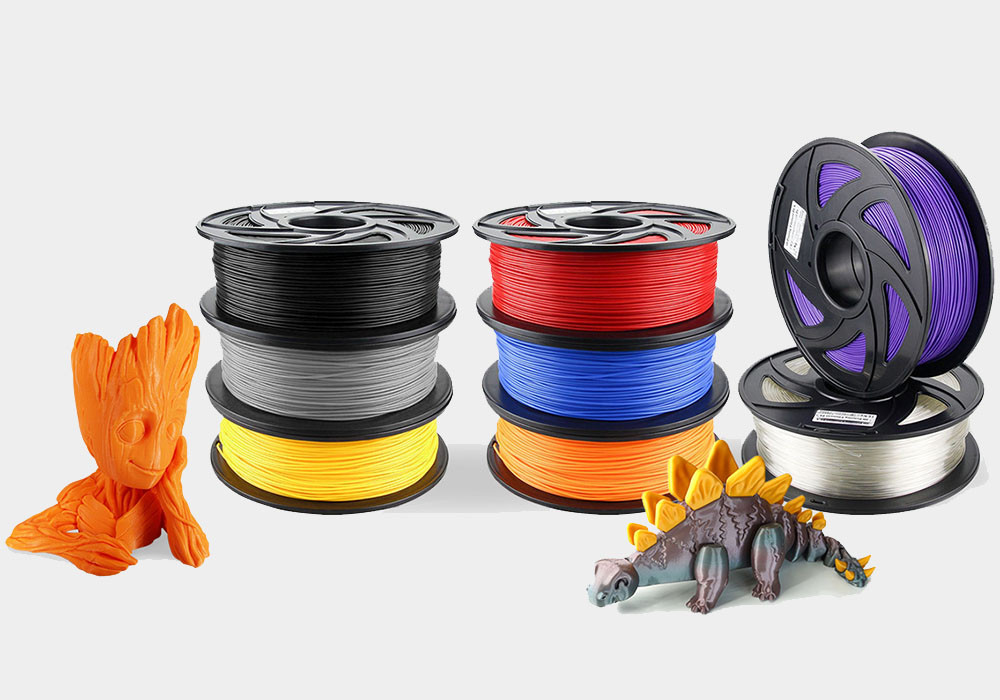
Materials (PLA, PETG, ABS)
Using ready-made 3D models
Print preparation (slicer basics)
First print and common mistakes
Outcome: Participants can independently prepare and print a simple 3D object.
Level 2 – Intermediate (Practical Skills)
Goal: Improve print quality and learn the basics of 3D modeling.
Topics covered:
Advanced print settings
Improving print quality
Printer maintenance and calibration
Introduction to 3D modeling (Tinkercad / Fusion 360)
Functional part design
Print defect analysis
Post-processing techniques
Outcome: Participants can design and print high-quality, functional parts.
Level 3 – Professional (Industry & Business)
Goal: Prepare participants for professional or commercial use of 3D printing.
Topics covered:
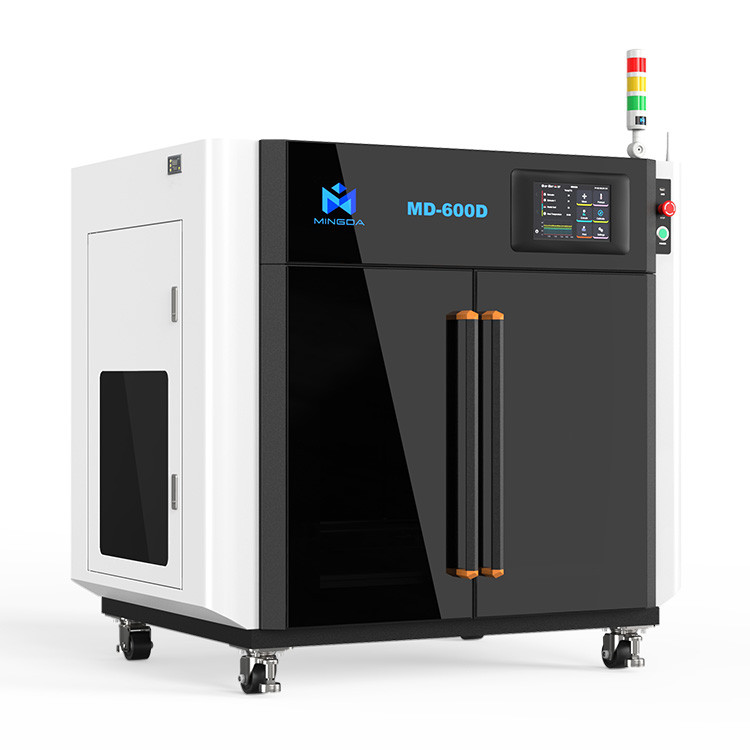
Industrial printing technologies (SLA, SLS)
Engineering materials (Nylon, TPU, Carbon Fiber)
Design for Additive Manufacturing (DfAM)
Strength and load principles
Quality control
Small-batch and serial production
Automation and printer farms
Cost and ROI analysis
Intellectual property considerations
Outcome: Participants can apply 3D printing at a professional or industrial level.
Target Groups
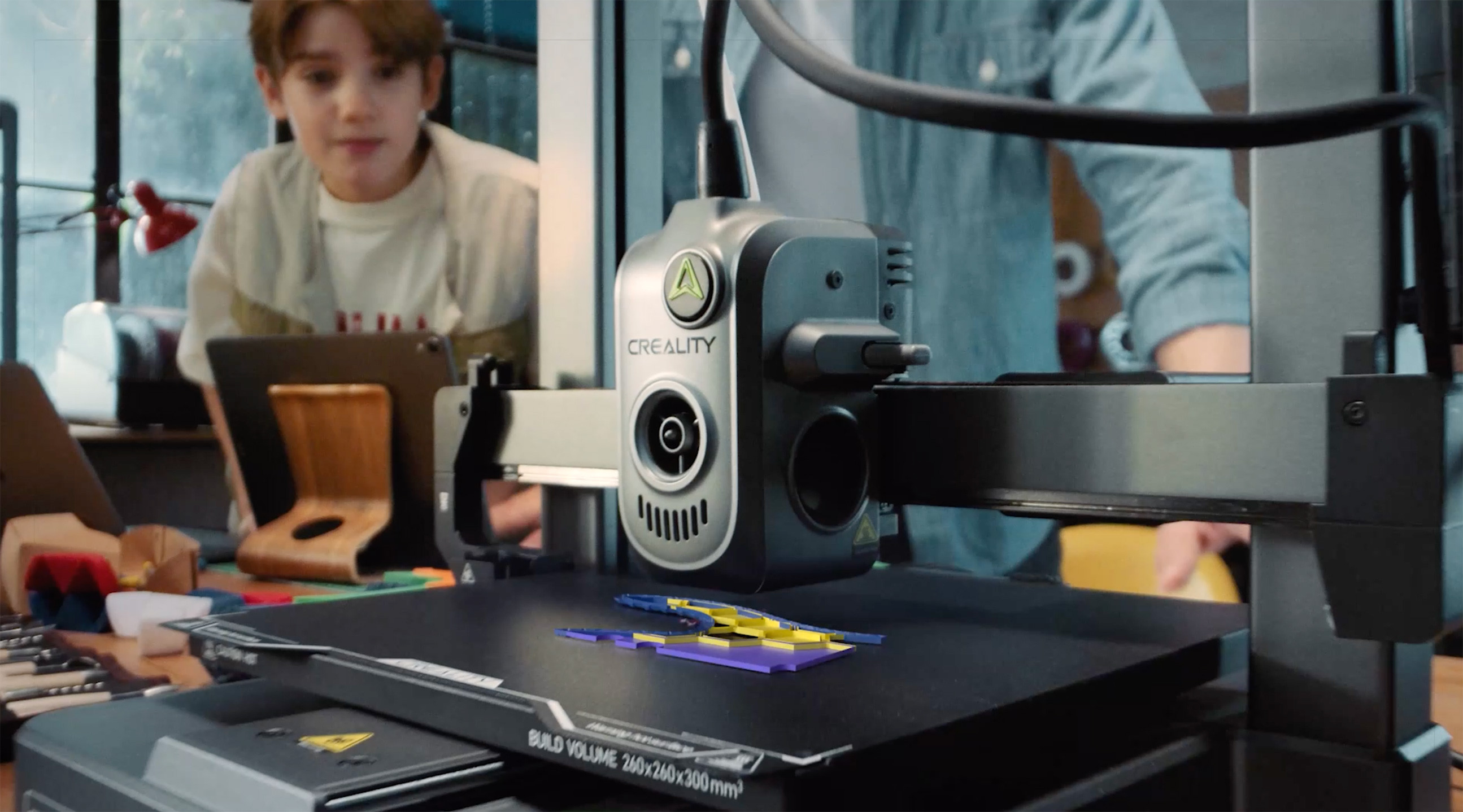
👧 Children and Youth
Age: approx. 9–18 years
Focus on creativity, STEM, and hands-on learning
Safe and supportive environment
Project-based approach
Outcome: Increased interest in technology and engineering.
🏫 Schools and Educational Institutions
Can be integrated into mathematics, design, IT, and physics
Group-based learning
Final projects and presentations
Suitable for STEM and extracurricular programs
Outcome: Students develop practical digital and engineering skills.
🏭 Companies
Manufacturing, engineering, design, service industries
Training from beginner to advanced level
Work on real company-specific tasks
Focus on efficiency and cost reduction
Outcome: 3D printing becomes a practical business tool.
Training Format
⏱ Intensive 1–2 day courses or long-term programs
👥 Small groups (3–6 participants)
🛠 Hands-on practical training
📍 On-site or at a training center
📄 Certificate upon completion
Additional Services
Custom-tailored training programs
Pre-implementation consulting for 3D printing
Setup of in-house 3D printing labs
ROI and cost analysis
Educational materials for schools and companies
Contact Us
Want to know which program is right for you or your company?
📩 Contact us and we will prepare a personalized offer.